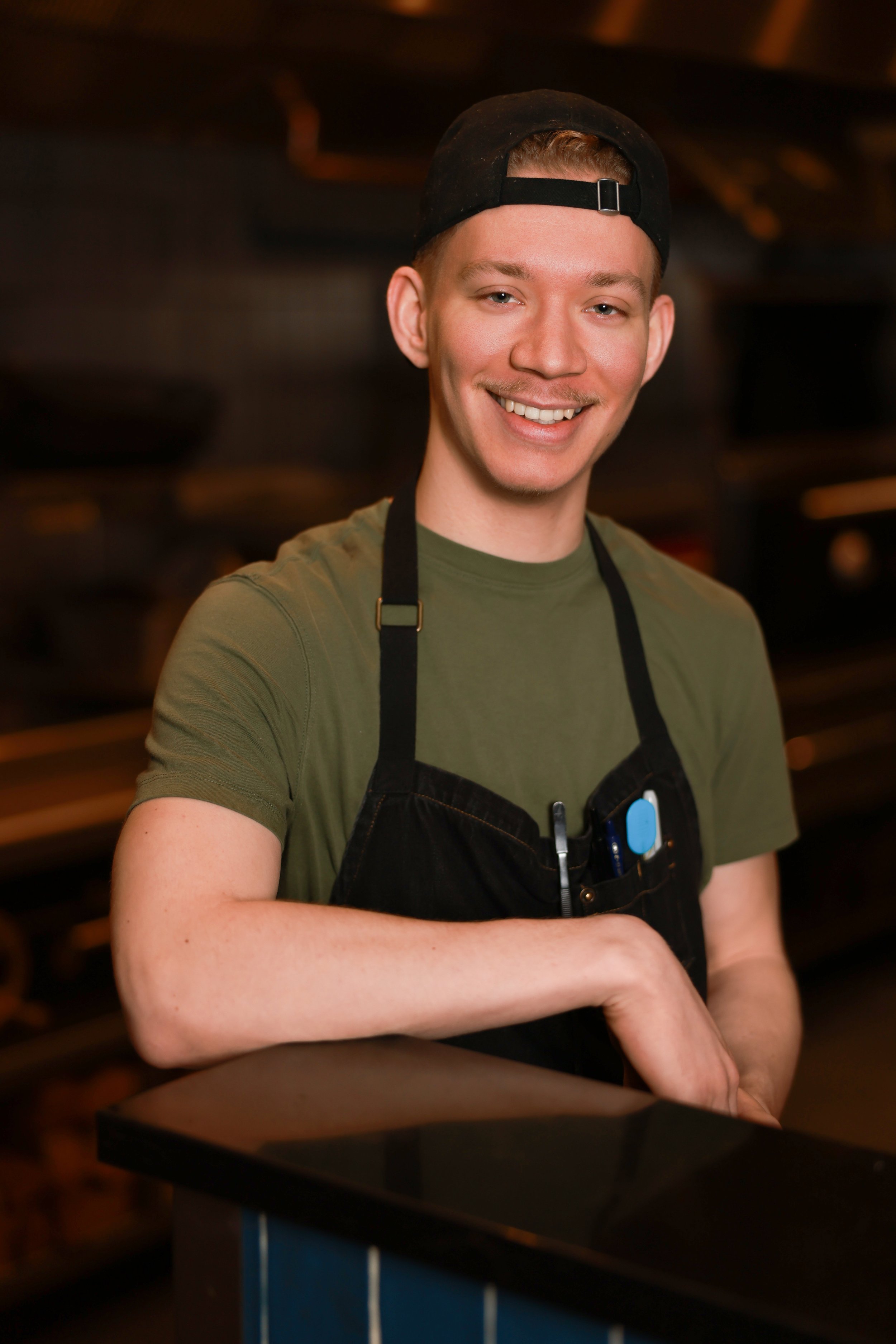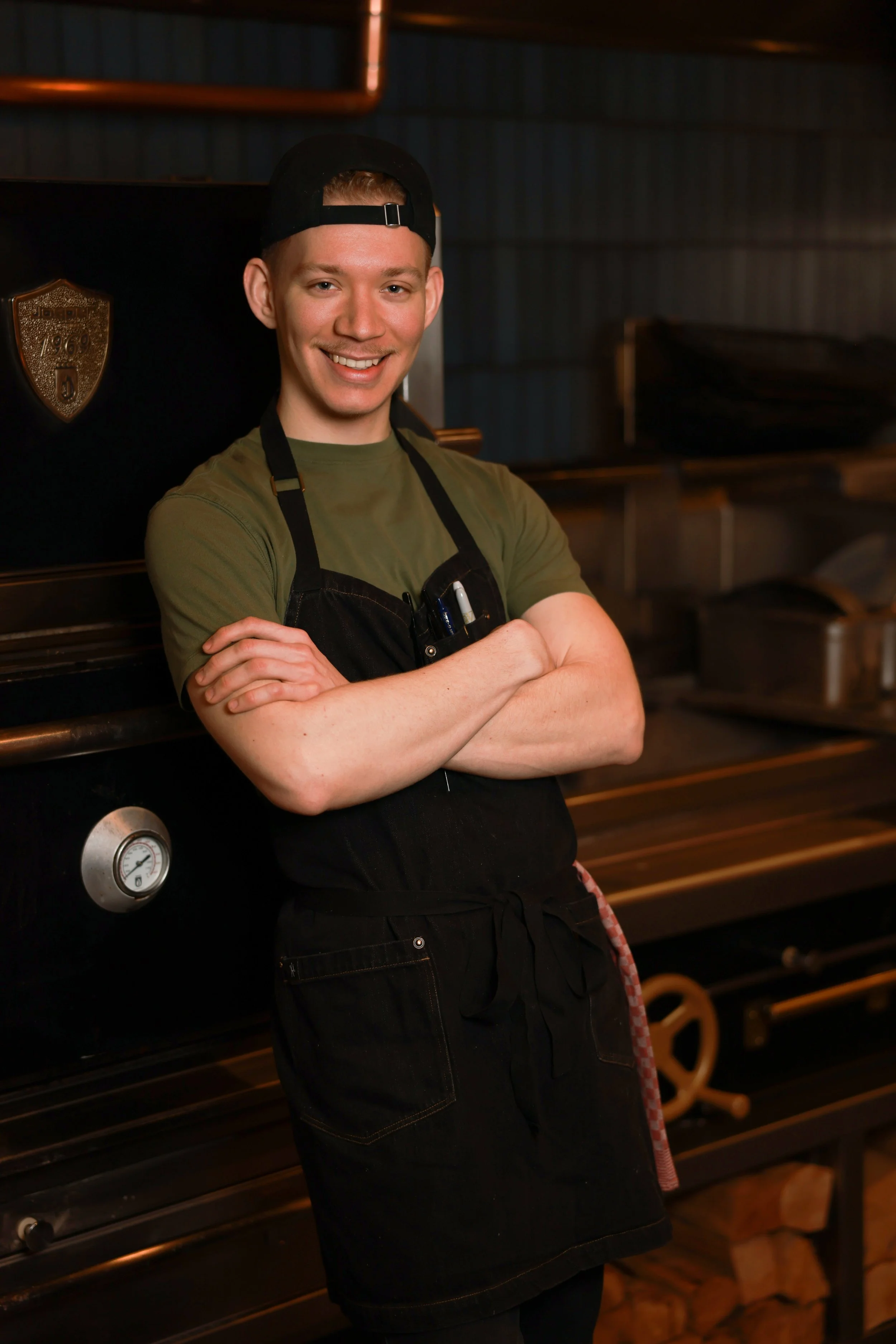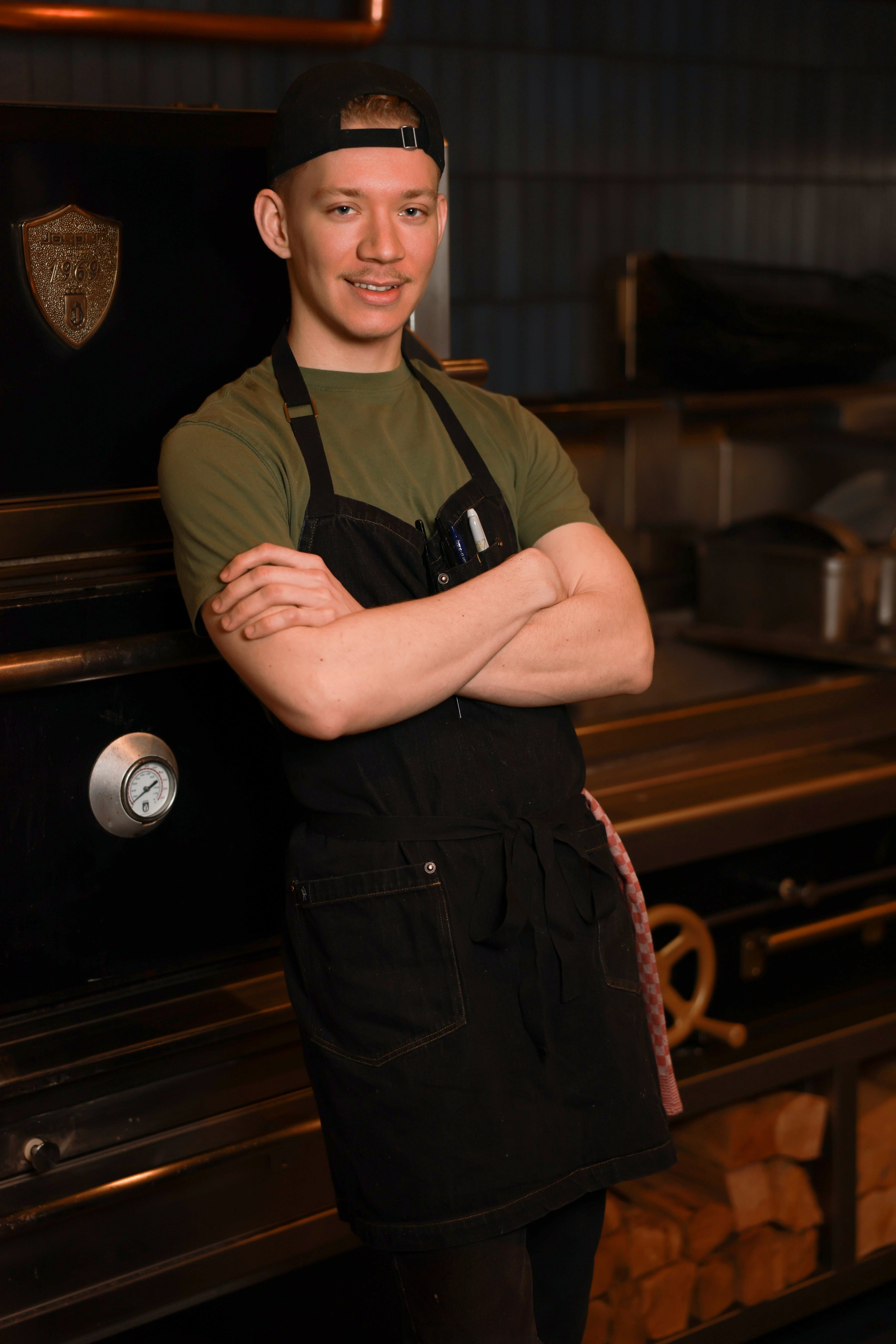
From Hospital Kitchens to Culinary Precision: The Rising Talent of Chef Quincy Young
In the quietly vibrant dining scene of Lititz, Pennsylvania, talent often arrives in unexpected ways. For 23-year-old chef Quincy Young, the path to one of the region’s most respected kitchens didn’t begin in a bustling restaurant or under the glow of Michelin ambition. It began in a hospital kitchen — a place defined not by indulgence, but by discipline.
Today, as Executive Sous Chef at Kõle Chophouse, Young represents a new generation of culinary professionals: technically grounded, relentlessly curious, and deeply respectful of the craft.
His journey is only just beginning — but it’s already a compelling one.
A Culinary Education That Started Early
Young grew up in central Pennsylvania, born in Harrisburg. Unlike many chefs who discover cooking later in life, he entered the culinary world during high school through a county trade program focused on professional kitchen training.
The experience was immediate and transformative.
“I got hooked right away,” Young recalls.
While most teenagers were still deciding what they wanted to do, Young was already working in a professional environment. His first job came through a family connection at a local hospital, where a chef recognized his enthusiasm and took him under his wing.
The year was 2019, and the foundation of a career had begun.
Learning Precision in an Unlikely Place
Hospital kitchens may not evoke images of gastronomic creativity, but they offer something equally valuable: discipline.
Young’s early years were spent cooking inside strict dietary frameworks — recipes designed for health requirements, large-scale production, and exact nutritional standards.
Creativity was limited, but the lessons were profound.
“You learn big-batch cooking,” he says. “Understanding scale. Understanding volume.”
Working within systems operated by Sodexo, Young helped open new culinary operations at Penn State Health Milton S. Hershey Medical Center and its associated children’s hospital facilities.
For two years, the experience refined his technical instincts: organization, speed, and consistency.
But eventually, the pull of restaurant cooking became impossible to ignore.
Restaurants, Young realized, offered something hospitals could not — creative freedom.
A Chef’s Introduction — Through Garlic
The turning point in Young’s career came through an unexpected culinary ambassador: garlic.
A mentor chef introduced him to the kitchen at Kõle Chophouse, led by renowned chef Max Fantom. Young arrived one afternoon for lunch, resume in hand, hoping to meet the chef he had researched extensively.
The timing couldn’t have been worse.
The restaurant was in the middle of a health inspection.
Not exactly the ideal moment for introductions.
Still, Young was intrigued by what he saw. He had studied Fante’s culinary background and was drawn to the depth of experience and technique behind the menu.
“This is the place I need to be,” he remembers thinking.
Months later, he returned for a formal interview and laid out his intentions clearly.
“I’m here because I want to grow.”
Instead of stepping into a senior role immediately, Young began at the garde-manger station — the cold kitchen.
For many chefs, it’s the most overlooked position in the restaurant. For Young, it became a proving ground.
The Art of the Cold Kitchen
Inside a professional kitchen, the garde-manger station holds a quiet power. It produces the first dishes guests experience — and often the final ones as well.
Salads, composed cold plates, delicate preparations, and desserts pass through the station. Every element must be precise: texture, balance, temperature, presentation.
It’s culinary architecture rather than brute force cooking.
“People underestimate cold dishes,” Young says. “But the components, the pairing, the mouthfeel — all of it matters.”
The station quickly revealed Young’s strengths: compositional thinking, attention to detail, and a calm approach to execution.
From there, his rise inside the kitchen was swift.
Today, at just 23, he serves as Executive Sous Chef, helping guide the restaurant’s evolving menu and culinary direction.
A Dish That Reflects the Journey
One of the dishes Young now proudly presents reflects both technique and indulgence: dry-aged beef agnolotti.
The dish is a study in balance.
Hand-formed pasta pillows are filled with deeply flavored dry-aged beef, then finished with a luxurious Parmesan cream butter sauce. A Barolo red wine reduction adds depth and structure, while chicory contributes a subtle bitterness that keeps the dish elegant rather than heavy.
It’s the kind of plate that reveals the chef’s mindset — precise, thoughtful, and rooted in classical technique.
For a chef who once worked within the strict boundaries of hospital cooking, the freedom is palpable.
Life Beyond the Kitchen
Despite his rising culinary career, Young remains grounded in the things that matter most to him.
Family is a central part of his life. Between brothers, sisters, nieces, and nephews, the extended Young family now counts more than a dozen younger relatives.
“I’ve lost count,” he laughs.
He now lives in Lititz, just minutes from the restaurant where he spends most of his time. When he’s not in the kitchen, he proudly describes himself as a cat dad, enjoying rare moments of quiet outside the intensity of service.
A Chef at the Beginning of Something
At an age when many cooks are still finding their footing, Quincy Young already carries the mindset of a seasoned professional: humility, curiosity, and relentless dedication to improvement.
The hospital kitchens taught him discipline.
The restaurant kitchen taught him expression.
Together, they’ve shaped a chef who understands that great cooking isn’t just about creativity — it’s about respect for ingredients, for craft, and for the people you cook beside.
In Lititz, that philosophy is already making its mark.
And for Quincy Young, the real story is only just beginning. 🍽️