Fire, Fog, and Flavor
The Unlikely Culinary Journey of Chef Max Fanton
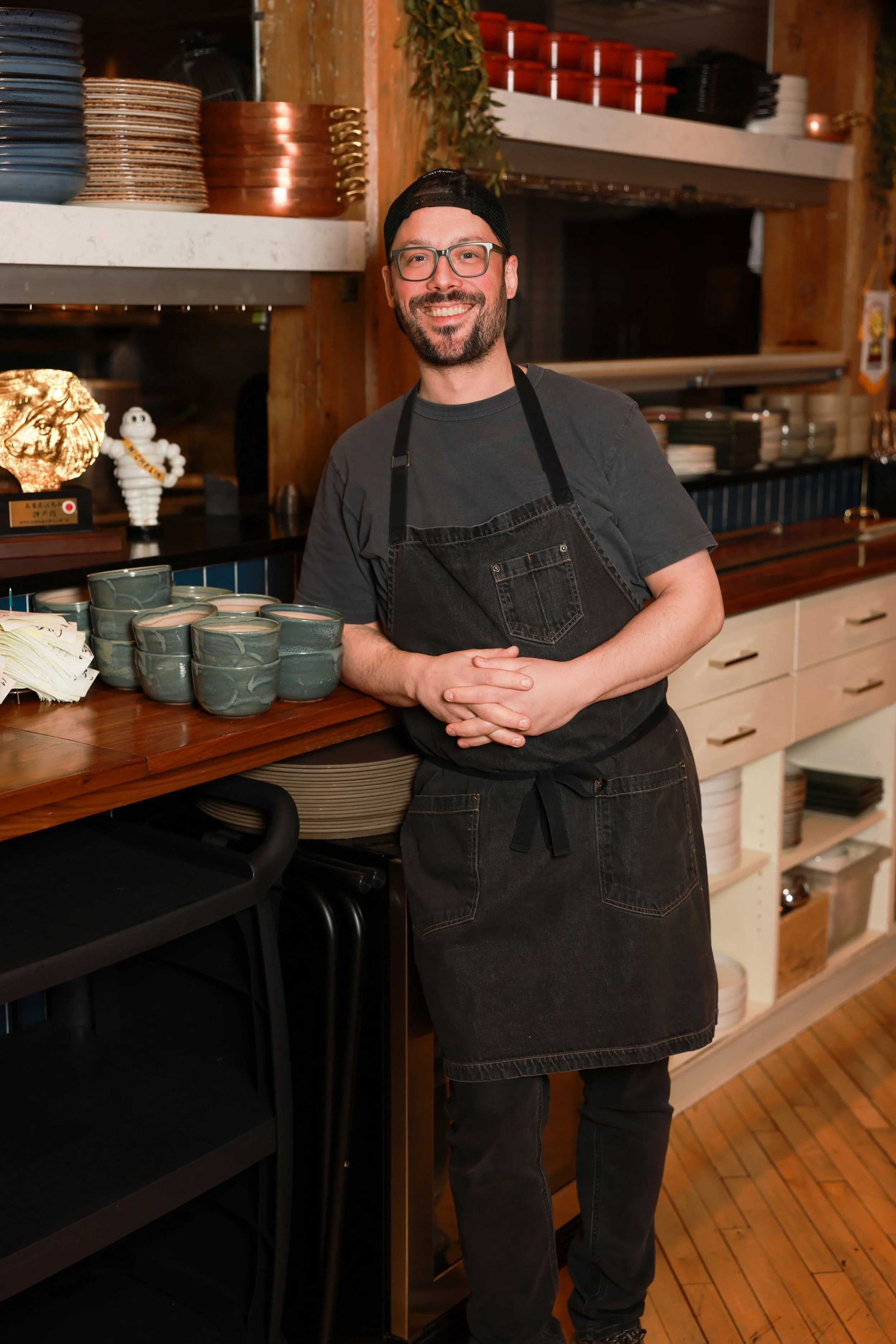
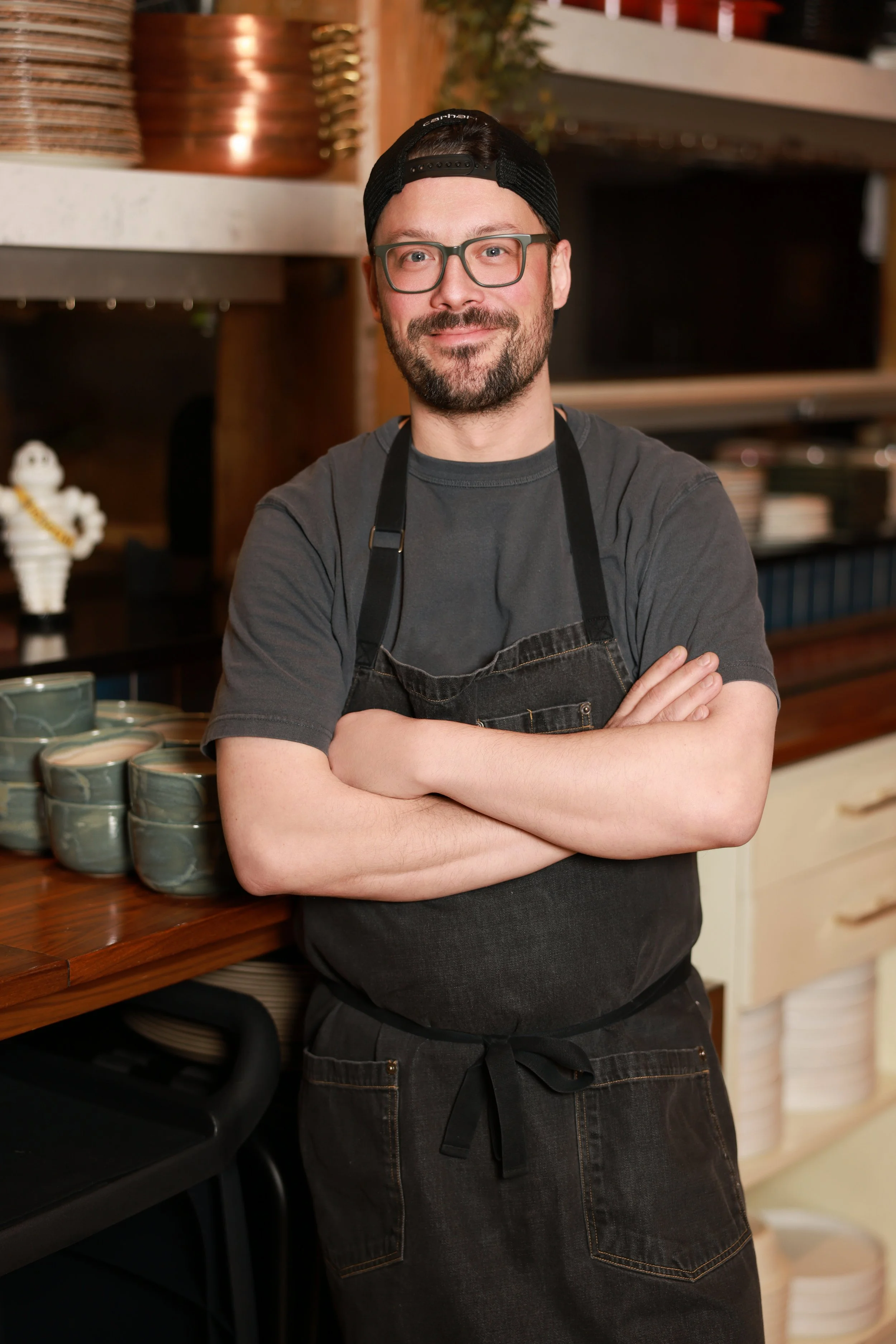
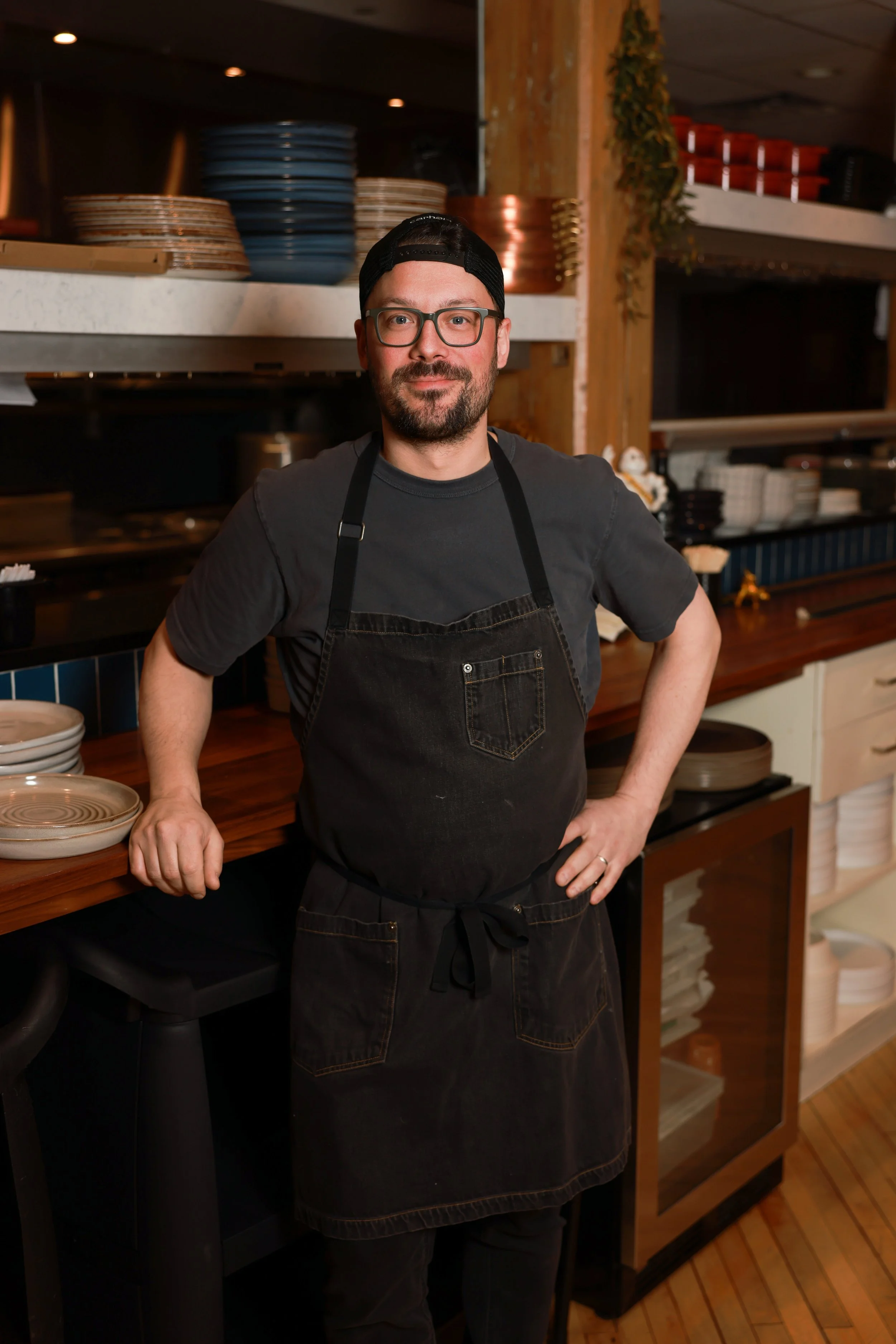
Head to Lititz, PA —better known for Amish markets and pastoral landscapes than Michelin-trained chefs— and you’ll find a kitchen powered by fire, instinct, and a life story that spans continents. At the center of it all is Chef Max Fanton, a man whose culinary path has taken him from the foggy plains of northeastern Italy to elite kitchens in Spain, through the fast-rising culinary scene of China, and finally to a wood-fired restaurant in Pennsylvania.
It’s a journey defined by risk, grit, and a lifelong reverence for the elemental power of food.
Roots Between the Alps and the Adriatic
Chef Fanton was born in France on July 1, 1984, but his story truly begins in northern Italy. When he was just two years old, his parents relocated there after his mother—French by birth—fell in love with the country during their honeymoon. His father, half Italian and half French, returned to family roots in the region.
The landscape where Fanton grew up sits between the Alps and the Adriatic Sea, a place of dense winter fog, cold seasons, and layered culinary traditions.
Unlike the olive oil–driven cuisine of southern Italy, the northeastern table leans richer and heartier. Butter replaces oil, polenta is a staple, and pasta often arrives in egg-based forms—gnocchi, delicate ribbons, or stuffed varieties. The cuisine carries whispers of neighboring Austria, while nearby Venice contributes centuries-old spice influences from maritime trade.
“It’s colder there,” Fanton recalls. “So the food is heavier—more meat, more butter, more polenta. The environment shapes the plate.”
Food was woven deeply into family life. His uncle was a baker, which meant childhood visits came with endless trays of croissants, pain au chocolat, and baguettes. His grandmother, a passionate home cook with a love of cheese, filled the kitchen with the aromas of rustic French and Italian cooking. His parents worked in a vineyard, where food and wine were inseparable from daily life.
For Fanton, cuisine wasn’t simply nourishment—it was culture.
A Teenage Debt and a Kitchen Revelation
The defining moment came at age fourteen, sparked not by ambition but by a teenage desire for freedom.
Fanton wanted a small motorcycle to ride through the countryside hills. His father agreed to advance the money—with one condition: Max would have to work to pay it back.
That summer job placed him inside a restaurant kitchen.
What he found there was electrifying.
“It felt like rock and roll,” he says. The cooks were older, intense, and rebellious in their own way. The kitchen hummed with energy and purpose.
The restaurant specialized in traditional dishes from the region around Treviso: slow-roasted meats turning for hours over wood fires, risottos rich with local ingredients, wild porcini mushrooms gathered from nearby forests, and seafood from the Adriatic.
One dish left a lasting impression: carne allo spiedo, skewered meats slowly roasting over open fire for hours until smoky and tender.
The young Fanton was hooked.
Rejecting the Classroom, Embracing the Kitchen
Determined to pursue cooking professionally, Fanton enrolled in a hospitality institute. It didn’t last long.
“I was terrible in the classroom,” he admits. “I couldn’t sit still.”
But inside the kitchen, everything clicked.
While academic coursework frustrated him, cooking felt intuitive—almost instinctual. Surrounded by talented mentors and immersed in restaurant culture from a young age, he developed his skills quickly.
Before long, he was setting his sights on the highest levels of fine dining.
Chasing Michelin Stars
Fanton’s ambition eventually took him to Spain, where he joined a kitchen holding three Michelin stars. He began the traditional way: as an unpaid stagiaire, working grueling hours to prove himself.
The kitchen was enormous—sometimes 120 cooks preparing meals for just 60 guests.
Precision was everything. Discipline was relentless.
The experience pushed him to the limits of endurance, but it also sharpened his craft.
After two intense years, burnout set in. Fantom approached the chef with plans to leave.
Instead, he was offered a new challenge: help open a restaurant in China.
China: A Culinary Frontier
In 2008, Fanton boarded a plane to China with little more than determination. He didn’t speak English. He didn’t speak Chinese. Smartphones were barely emerging.
But the move opened an entirely new chapter.
Over the next several years, he built a career in Asia, traveling widely and eventually leading kitchens of his own. China’s dynamic food culture and the ingredients of surrounding regions broadened his culinary perspective dramatically.
Asia became both classroom and playground.
A Swipe That Changed Everything
Years later, during his first trip to the United States, Fanton visited Boston and New York while considering a potential restaurant project.
It was there—newly equipped with a smartphone and suddenly able to access the open internet after years in China—that he downloaded an unfamiliar app.
On Tinder, he met Laura, a marketing professional working in New York.
The match would ultimately reshape his life.
From Philadelphia to Lancaster
The couple eventually settled in the United States. After spending time in Philadelphia, the pandemic prompted a change of pace.
Seeking fresh air and open space, they began exploring the farmland of Lancaster County.
One afternoon, over barbecue chicken at a local farm stand, Fantom felt something unexpected: possibility.
Soon afterward, a recruiter contacted him about a project looking for a chef experienced in live-fire cooking in Lancaster.
He was intrigued.
Fire as Philosophy
Fanton joined a restaurant centered around cooking with wood and flame—techniques deeply rooted in his early culinary experiences.
The concept took off quickly. The restaurant gained a strong following and momentum.
Then, in March 2023, disaster struck.
A chimney fire caused major damage, shutting down the restaurant and forcing a costly rebuild.
“No one was hurt,” Fanton says, “but it was a big lesson.”
The reconstruction cost more than $1.5 million, and the restaurant remained closed for four months.
Yet the setback ultimately allowed the team to rebuild stronger, with the now renamed and reimagined KOAL Chophouse.
Cooking Forward
Today, Fanton stands at the helm of a reborn kitchen—one that reflects the full arc of his life.
French heritage. Italian roots. Spanish discipline. Asian exploration. American reinvention.
At its center remains the same elemental force that first captivated him as a teenager in Treviso: fire.
For Fanton, cooking over wood isn’t just technique—it’s philosophy.
“It’s honest,” he says. “You can’t hide anything when you cook with fire.”
And perhaps that’s why his journey resonates so deeply: it’s a story of instinct, risk, and resilience—of a chef who followed the flame wherever it led.